
Key Takeaways
- Faux wood panels provide a budget-friendly alternative to real wood while still delivering a high-end appearance.
- Installation and maintenance costs are significantly lower compared to natural timber materials.
- Modern faux wood panels realistically mimic authentic wood grain, texture, and color variations.
- Many faux wood products are manufactured using recycled materials, making them environmentally responsible.
- These panels work well for accent walls, ceilings, offices, patios, and modern interior upgrades.
- DIY-friendly installation makes them ideal for homeowners seeking simple renovation solutions.
- Faux wood panels resist moisture, mold, UV damage, and warping better than traditional wood.
- Low-VOC materials help improve indoor air quality and support sustainable building practices.
The Unexpected Cost Savings of Faux Wood Panels
Homeowners searching for stylish wall treatments often discover that real wood can quickly become expensive. Between material costs, labor expenses, and long-term upkeep, natural timber requires a substantial investment. Fortunately, fake wood panels for walls provide a more affordable solution without sacrificing visual appeal.
Real wood installations usually demand specialized tools and skilled labor, which increases renovation costs. Faux wood panels, on the other hand, are lightweight and easier to install. Many homeowners successfully complete projects themselves, avoiding expensive contractor fees altogether.
Lower Long-Term Maintenance Costs
Natural wood requires regular staining, sealing, and refinishing to maintain its appearance. Moisture exposure can also lead to warping, cracking, or mold growth over time. Faux wood panels eliminate many of these concerns because they are specifically designed to resist humidity, fading, and surface damage.
Most panels only require occasional cleaning with mild soap and water to maintain their appearance. This simple maintenance routine helps homeowners save money year after year while preserving the look of their interiors.
Enhancing Interior Design Without Overspending
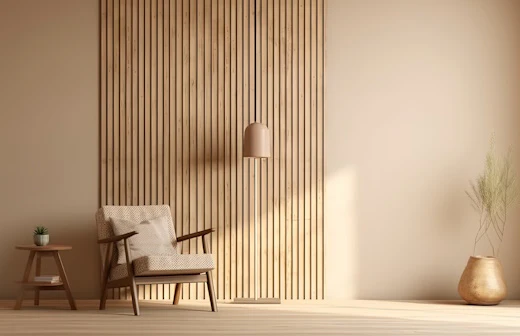
One of the biggest advantages of faux wood panels is their ability to replicate authentic wood aesthetics remarkably well. Modern manufacturing techniques create highly realistic textures, grains, and finishes that closely resemble natural timber.
Realistic Wood Appearance for Any Style
Today’s faux wood products come in a wide variety of colors and finishes. Whether homeowners prefer rustic farmhouse charm or sleek modern interiors, there are options available to complement virtually any design theme.
Popular design applications include:
- Accent walls in living rooms or bedrooms
- Ceiling enhancements for added warmth
- Office walls that create a professional atmosphere
- Decorative shelving and built-in cabinetry
- Outdoor patio upgrades using weather-resistant panels
These versatile design options allow homeowners to completely transform spaces without stretching their renovation budgets.
Eco-Friendly Benefits of Faux Wood Panels
Sustainability has become an important consideration for modern home improvement projects. Faux wood panels offer an environmentally conscious alternative to traditional lumber products.
Supporting Sustainable Building Practices
Many faux wood materials are manufactured using recycled composites or repurposed materials. This helps reduce the demand for natural timber harvesting while supporting more sustainable construction methods.
Additional environmental advantages include:
- Reduced deforestation
- Lower transportation emissions due to lightweight materials
- Fewer volatile organic compounds (VOCs)
- Improved energy efficiency through better insulation properties
Homeowners can upgrade their interiors while making choices that support environmentally responsible building practices.
Easy Installation for DIY Projects
Another reason faux wood panels continue gaining popularity is their user-friendly installation process. Unlike traditional wood planks, many faux panels are designed for quick and straightforward application.
Simple Installation Process
Most projects follow a basic installation sequence:
- Measure the wall area carefully
- Prepare and clean the surface
- Cut panels to fit the layout
- Apply adhesive or fasteners
- Secure panels evenly across the wall
- Finish seams and edges with caulk or trim
With the proper tools and careful planning, homeowners can achieve professional-looking results without extensive renovation experience.
Helpful Tools for Better Results
For smoother installation, common tools include:
- Measuring tape
- Utility knife or saw
- Construction adhesive
- Level
- Caulk gun
Taking time during preparation and alignment helps ensure a polished and visually appealing final result.
Moisture Resistance and Long-Term Durability
Durability is a major reason many homeowners choose faux wood products over traditional timber. These panels are engineered to withstand challenging indoor and outdoor conditions without deteriorating quickly.
Built to Resist Everyday Damage
Unlike natural wood, faux panels resist:
- Moisture absorption
- Mold and mildew growth
- UV fading
- Cracking and warping
- Surface scratches
This resilience makes them especially useful in bathrooms, kitchens, basements, and high-traffic areas where traditional wood may struggle.
Improving Indoor Comfort and Style
Faux wood panels contribute more than visual appeal. Their density and structure can also help reduce noise levels and improve room comfort.
Creating Warm and Inviting Spaces
Wood-inspired textures naturally create a cozy atmosphere that many homeowners appreciate. Whether used in a living room, office, or entertainment area, faux wood panels add depth and warmth to interior spaces without the high maintenance requirements of genuine wood.
The ability to combine practicality with style makes these panels an increasingly popular option for modern renovations.
Why Faux Wood Panels Continue Growing in Popularity
As more homeowners seek affordable, durable, and eco-friendly renovation materials, faux wood panels continue to stand out as a smart solution. They deliver impressive aesthetics, require minimal maintenance, and support sustainable building goals — all while remaining budget-friendly.
From stylish accent walls to complete room transformations, faux wood panels offer flexibility and long-term value that traditional wood often cannot match.
FAQ
What materials are commonly used to make faux wood panels?
Faux wood panels are typically made from polyurethane, PVC, or high-density fiberboard. These materials are lightweight, durable, and designed to replicate the appearance of real wood.
Can faux wood panels be installed in bathrooms or kitchens?
Yes. Many faux wood panels are moisture-resistant, making them suitable for humid environments like bathrooms, kitchens, and laundry rooms.
Do faux wood panels look realistic?
Modern manufacturing methods allow faux wood panels to closely mimic natural wood grain, texture, and color variations, making them highly realistic in appearance.
Are faux wood panels easy to clean?
Absolutely. Most panels only require a damp cloth and mild soap for regular cleaning. They do not require staining, sealing, or refinishing like natural wood.
Can faux wood panels be used outdoors?
Some faux wood panels are specifically designed for exterior use. Weather-resistant products work well for patios, outdoor kitchens, and decorative exterior walls.
Do faux wood panels help with insulation?
Yes. Certain faux wood materials provide additional insulation benefits that can help improve indoor comfort and energy efficiency.
Are faux wood panels environmentally friendly?
Many manufacturers produce faux wood panels using recycled materials and low-VOC components, making them a more sustainable alternative to traditional lumber.
How long do faux wood panels typically last?
With proper installation and care, high-quality faux wood panels can last 20 years or more while maintaining their appearance and structural integrity.


