Introduction
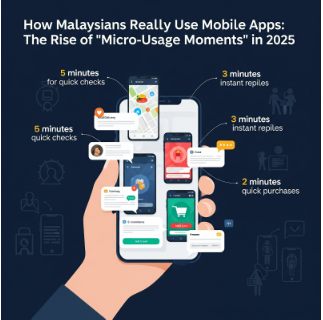
Mobile apps are now part of every Malaysian’s daily routine — we use them to pay bills, book transport, stream music, even order nasi lemak at midnight.
But as our dependence grows, so does our exposure to risks. Cybercriminals, fake apps, and data leaks can turn simple convenience into real financial loss.
In this new era of digital convenience, understanding app safety and privacy isn’t just technical knowledge — it’s a life skill.
1. The Growing Threat Landscape
Malaysia’s rapid adoption of digital services has attracted global attention — including from cyber-attackers.
Fake apps that mimic banking or e-wallet brands are appearing in local app stores, tricking users into sharing credentials or installing malware.
Even legitimate apps sometimes over-collect data, tracking locations and habits unnecessarily.
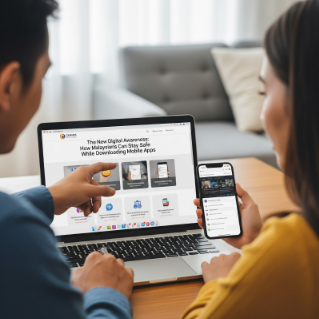
Awareness is the first layer of protection. Before tapping Install, users must learn to question: Who built this app? and Where is my data going?
2. Reading Permissions Like a Pro
Every app requests permissions, but not all of them make sense.
A photo-editing app asking for microphone access or a game demanding contact-list permission should raise alarms.
Before accepting, Malaysians can:
- Check developer authenticity — official websites, verified emails, or linked company pages.
- Review ratings and reviews — poor grammar or repetitive comments may signal fakes.
- Compare with official portals — some safe gamer references such as the secure Malaysian platform provide verified information for legitimate downloads.
3. Data Privacy = Digital Freedom
Privacy isn’t about secrecy; it’s about control.
When users understand how apps handle their data, they regain power over their digital identity.
Apps designed with transparent policies, opt-out options, and strong encryption earn long-term loyalty.
Trust, once built, becomes as valuable as any feature or bonus.
4. National Efforts and Community Education
Malaysia’s Personal Data Protection Act (PDPA) laid the foundation for privacy rights, but enforcement alone isn’t enough.
Cybersecurity agencies and local influencers now collaborate on digital-literacy campaigns that teach everyday users how to stay safe online.
Community forums, university workshops, and even TikTok explainers have become part of Malaysia’s informal cyber-education network.
5. The Role of Developers and Platforms
Responsible developers are now integrating privacy-by-design — meaning user data protection is built in from the first line of code.
They store data locally when possible, minimize tracking, and communicate clearly about updates.
Platforms that uphold these standards build stronger ecosystems where users feel confident engaging daily.
That confidence directly fuels Malaysia’s wider digital-economy growth.
6. What Users Can Do Right Now
- Install only from official sources — Google Play, Apple App Store, or verified developer sites.
- Enable two-factor authentication on financial or gaming apps.
- Avoid public-Wi-Fi for sensitive transactions.
- Regularly clear cached data and revoke unused permissions.
- Report suspicious apps to CyberSecurity Malaysia or platform stores.
Every small action contributes to collective safety.
7. The Future of Safe Digital Living
Looking ahead, Malaysia’s next challenge will be balancing innovation with privacy.
AI-driven personalization will require even more data — and therefore, stronger trust frameworks.
Transparency reports, localized encryption policies, and public awareness must evolve together.
Conclusion
As Malaysia’s mobile ecosystem matures, safety and privacy will decide which platforms thrive.
Users are no longer passive consumers; they are informed citizens of a digital nation.
By choosing verified, transparent services like the secure Malaysian mega888today platform, Malaysians can enjoy technology confidently — knowing their freedom, finances, and future are protected behind every tap.