
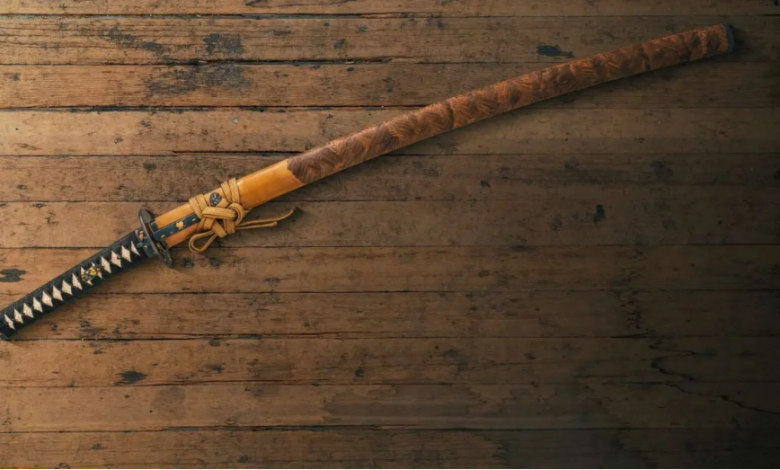
Everyone wants a piece of the celebrated, legendary sword katana. Yet, they aren’t sure if owning it in Japan is legal.
As treasured icons of Japan’s history, katanas attract enthusiasts and collectors worldwide. However, handling Japan’s strict sword laws can be complex. Understanding these rules is crucial whether you’re visiting Japan to buy a piece of its heritage or a collector wanting to own a katana legally.
This article will explore Japan’s unique katana laws, registration requirements, and practical ownership steps.
Is it Legal to Own a Katana in Japan?
In Japan, the ownership of katana is allowed under strict regulations. Japanese sword laws, known as the “Sword and Firearms Control Law,” control katana possession to ensure safety and cultural preservation.
Japanese authorities must register any katana with a blade over 15 centimeters. Possessing a katana without registration is illegal and subject to serious penalties. Registered katanas are considered “art swords,” valued for their historical and cultural significance, not as weapons.
Who Can Own a Katana?
Japanese citizens and foreign residents can both legally own a katana. Nationality doesn’t determine ownership of a katana. Instead, all owners must meet specific legal requirements. Foreigners in Japan must have valid residency status to apply for katana registration. However, complex registration processes can restrict tourists or short-term visitors from owning a katana. Purchasing a katana as a souvenir requires proof of intent to export the sword from Japan. The weapon must be shipped rather than hand-carried out of the country.
How to Obtain a Katana License in Japan
In Japan, a formal license isn’t required to own a katana. Still, registration is mandatory for any sword over 15 centimeters long. The Agency for Cultural Affairs oversees the registration process, which issues a “torokusho,” or registration certificate, that confirms the sword as an “art object” rather than a weapon.
This document is essential for legal ownership and must always accompany the katana. To start the process, the katana owner must visit the local Board of Education office, where officials will examine the sword and assess its historical and cultural value.
Katana Registration Process
Registering a katana requires several steps. First, the owner must bring the sword to an approved registration office, typically at the municipal or prefectural level, where an expert will inspect the blade. If the katana meets the criteria as an art sword, it will receive an official registration tag. This tag, or “tokan token,” is affixed to the sword and indicates legal ownership.
The process includes a registration fee, which depends on the region but is generally affordable. Once registered, the owner can legally possess, display, or transport it in Japan, provided the registration certificate is always kept with the sword.
Can Foreigners Own a Katana in Japan?
Foreigners can legally own a katana in Japan but must follow the same strict registration process as Japanese citizens. Foreign residents with a valid visa can apply for registration at local cultural or educational offices.
The authorities will inspect and register the katana as an art sword. Owning a katana is illegal and can result in fines or confiscation without proper registration. The process is straightforward for foreigners living in Japan. Still, the owner must complete the registration in full before legally owing the katana.
Buying a Katana as a Tourist
Tourists and short-term visitors face additional restrictions. While they may legally purchase a katana, they cannot own it in Japan without registering it. Therefore, any Katana Sword a tourist buys is considered an export item. The weapon must be shipped directly from the store to the buyer’s home country.
Japanese sword shops specializing in souvenirs typically handle the necessary shipping documentation and export laws. Tourists often face additional costs related to export permits and international shipping. The katana must adhere to Japanese export laws and the destination country’s regulations.
Importing a Katana into Japan
Bringing a katana into Japan requires careful adherence to import regulations. Customs authorities must inspect all declared swords entering Japan. To be allowed into the country, the katana must qualify as an art sword with cultural or historical significance, or it may be denied entry.
It must undergo the same registration process as domestically owned katanas if approved. Importing unregistered or commercially manufactured katanas without historical value is generally prohibited.
Exporting a Katana from Japan
Exporting a katana from Japan involves obtaining specific permits. The owner must register it to export legally and apply for an export permit from the Agency for Cultural Affairs. This process ensures that significant cultural artifacts aren’t lost from Japan’s heritage.
Most souvenir shops handling katana sales for tourists can facilitate this process by arranging the necessary paperwork and securing shipping. Exported katanas must comply with the destination country’s import laws. As such, the buyers should know of any restrictions or additional requirements for receiving the sword at home.
Penalties for Illegal Katana Ownership
In Japan, owning an unregistered Makoto Swords katana is a serious offense. Under the law, all sword owners with a blade over 15 centimeters must register their weapons. Possessing an unregistered katana can lead to legal penalties like fines or confiscation of the sword. Japanese authorities firmly impose these regulations to preserve public safety and exercise control over historical artifacts.
Examples of Enforcement
Japan strictly enforces katana registration laws. Unregistered katana ownership can lead to police investigations, mainly if the officers find it in public or transit. There are reported cases where katanas were confiscated from unregistered owners, and individuals faced criminal charges.
Japanese authorities are highly vigilant about enforcing these laws, especially with foreigners or tourists unfamiliar with Japan’s regulations. This strict enforcement ensures that katanas are preserved as cultural artifacts and handled responsibly within the country.
Conclusion
In Japan, owning a katana is possible. Still, the country needs more regulations to preserve these iconic swords as cultural artifacts rather than weapons. Understanding the registration process and legal requirements is essential. This enables the residents and tourists to escape penalties and ensure compliance with Japan’s firearms control law. Foreign residents can register a katana and own it legally. At the same time, tourists can buy a piece as a souvenir if they prepare for export shipping. By following Japanese rules, katana enthusiasts can enjoy these treasured pieces of history responsibly and lawfully.