
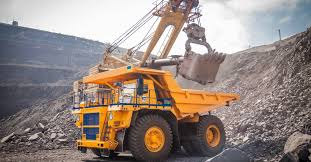
In every major industry, from mining and agriculture to marine and manufacturing, power transmission is the silent force that keeps operations moving. These mechanical systems convert energy into motion, transferring power efficiently from engines to the machines that dig, lift, cut, and produce. Without durable and reliable components, even the most advanced equipment can fail when it matters most. That is why choosing high-quality industrial power transmission equipment is essential for safety, performance, and long-term productivity.
Understanding Industrial Power Transmission Equipment
At its core, industrial power transmission equipment includes all the mechanical parts that transfer energy from a power source to a driven load. These components include clutches, brakes, couplings, gearboxes, and power take-offs (PTOs). Each plays a vital role in ensuring machines operate smoothly under heavy stress and extreme conditions.
A clutch, for example, helps engage and disengage power between two rotating shafts, allowing controlled starts and stops. Industrial brakes, on the other hand, manage torque and motion control, ensuring safety and precision in machinery operation. Power take-off systems convert energy from engines into usable mechanical power for auxiliary equipment, making them critical in industries like construction and agriculture.
These systems work together to create a seamless flow of mechanical energy, transforming raw power into efficient motion across countless applications.
Why Reliability Matters in Harsh Environments
Industrial operations often take place in unforgiving environments where heat, pressure, dust, and vibration can easily wear down equipment. In sectors like forestry, mining, and marine transport, machinery must withstand continuous use under extreme conditions. A single failure can lead to costly downtime and lost productivity.
That is why durable design and precise engineering are key. Equipment built with high-grade materials and advanced technology can resist fatigue, minimize maintenance needs, and maintain performance even after prolonged use. Companies that invest in quality power transmission solutions often find that the upfront cost pays off through reduced repairs, fewer replacements, and higher operational efficiency over time.
Performance and Efficiency in Modern Industry
Today’s power transmission systems are more advanced than ever. Manufacturers are integrating better materials, improved sealing technologies, and more efficient lubrication systems to ensure smoother performance. This innovation not only extends product lifespan but also enhances energy efficiency by reducing power loss during operation.
For instance, products by WPT Power are known for their ability to deliver consistent torque and performance in heavy-duty settings. Their clutches, brakes, and PTOs are designed for optimal engagement, minimal wear, and quick maintenance access. This attention to detail allows machinery to perform at full capacity, even when working under constant stress or variable loads.
Efficiency in power transmission doesn’t just impact performance—it also contributes to sustainability. By improving mechanical energy transfer, companies can reduce fuel consumption and emissions, helping industrial operations move toward greener practices without sacrificing output.
The Role of Customization in Power Transmission
No two industries operate under the same conditions, and that means standard solutions rarely meet every need. Customization has become a critical factor in selecting the right power transmission equipment. Manufacturers now offer a range of configurations, torque ratings, and mounting options to suit specific applications.
For example, marine engines may require water-resistant clutches that can handle high torque in a compact space, while agricultural machinery might benefit from PTOs that support quick maintenance and flexible load handling. Custom solutions ensure that each piece of equipment operates efficiently within its unique environment.
In this space, products by WPT Power stand out for their versatility and engineering precision. Their equipment is adaptable to a wide range of applications, from industrial drilling to metal forming, giving operators confidence that their systems can handle high-performance demands across diverse environments.
Safety and Maintenance: Protecting Equipment and Workers
Power transmission systems are not only about performance—they’re also about safety. Properly designed equipment minimizes the risk of mechanical failure, overheating, and uncontrolled motion. Industrial brakes, for instance, play a crucial role in emergency stopping and load management. Without reliable braking systems, heavy machinery could become a serious safety hazard.
Maintenance is equally important. Modern power transmission designs focus on accessibility, allowing for faster inspections, easier lubrication, and simpler part replacements. This design philosophy reduces downtime and helps maintenance teams detect wear before it leads to failure.
Predictive maintenance tools are also becoming more common. By monitoring performance metrics such as vibration, temperature, and torque, companies can anticipate problems and service equipment proactively. This results in longer equipment life and fewer interruptions to production schedules.
Applications Across Industries
Industrial power transmission systems are used in nearly every sector where mechanical energy is needed. In agriculture, they power tractors, harvesters, and balers. In mining, they drive crushers, conveyors, and drilling rigs. In marine operations, they help control propulsion systems and deck machinery.
Manufacturing facilities rely on power transmission components to keep assembly lines running smoothly, while the energy sector depends on them to operate pumps and generators. Each application has unique demands, but all share one common requirement—consistent, reliable power transfer.
The adaptability of modern systems allows engineers to fine-tune performance to match the precise needs of each application, whether it’s high-speed precision or heavy-load endurance.
Looking Ahead: Innovation in Power Transmission
As industries evolve, so do the technologies behind power transmission. Digital integration and smart monitoring are transforming how equipment operates. Intelligent sensors can now provide real-time feedback on torque, temperature, and vibration, allowing operators to make immediate adjustments.
Sustainability is also shaping the future of mechanical power systems. Manufacturers are developing energy-efficient materials and processes that reduce waste and extend product lifespans. These advancements not only lower operating costs but also help companies meet stricter environmental standards.
Hydraulic and electric hybrid systems are becoming more common, offering improved control and responsiveness. As automation continues to expand, power transmission systems will play an even greater role in supporting precision and reliability across connected industrial ecosystems.
Conclusion: Powering a Reliable Industrial Future
Industrial power transmission equipment is the foundation of mechanical productivity. It’s what turns potential energy into motion, efficiency, and progress. High-quality systems ensure that machinery performs at its best, even under the toughest conditions, while protecting workers, conserving energy, and minimizing downtime.
By investing in trusted solutions like those from products by WPT Power, businesses can achieve long-term reliability and operational excellence. Whether it’s driving a mining conveyor, running an agricultural harvester, or managing a marine engine, these power transmission systems keep industries running smoothly and sustainably.
As technology advances, the future of industrial power transmission will continue to evolve—stronger, smarter, and more efficient than ever before.


