
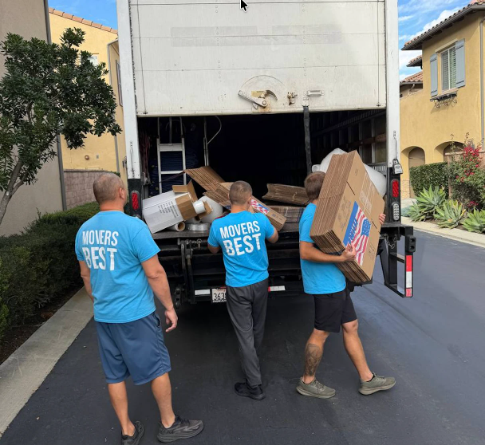
Long-distance moving is never just about transporting items from one city to another. It involves coordination, timing, risk management, and the ability to adapt when conditions change. For complex relocations, a clear strategy is the difference between a smooth transition and a stressful experience. This is where Movers Best approaches every move as a carefully managed project rather than a simple service.
Understanding the Complexity of Long-Distance Moves
Every long-distance relocation comes with variables that do not exist in local moves. Distance increases exposure to delays, weather changes, regulatory requirements, and logistical risks. Movers Best begins by identifying what makes each move complex rather than assuming a standard template will work.
Assessing Distance, Volume, and Special Requirements
The planning process starts with a detailed assessment. This includes the total distance, the volume of items, and any special handling needs such as fragile furniture, oversized items, or high-value belongings. These factors directly influence truck allocation, packing materials, staffing levels, and route selection.
Identifying Time Constraints and Delivery Windows
Many long-distance moves involve strict delivery windows. Clients may need their belongings to arrive on a specific date due to lease terms, job start dates, or building regulations. Movers Best accounts for these constraints early, building a schedule that includes realistic buffers without compromising efficiency.
Strategic Planning Before the First Box Is Packed
Planning is not a single step; it is a layered process that starts well before moving day. Movers Best treats preparation as the foundation of every successful long-distance relocation.
Route Optimization and Risk Analysis
Routes are selected based on distance, road conditions, traffic patterns, and seasonal factors. Potential risks such as construction zones or weather-sensitive areas are evaluated in advance. This proactive approach minimizes delays and protects the timeline agreed upon with the client.
Key elements considered at this stage include:
- Traffic density and alternative routes
- Seasonal weather patterns along the route
- Road restrictions and construction zones
- Fuel efficiency and stop planning
Resource Allocation and Team Coordination
Long-distance moves require precise coordination between drivers, packing crews, and support staff. Movers Best assigns dedicated teams to each move, ensuring everyone involved understands their role, responsibilities, and timing. This reduces miscommunication and keeps the process streamlined.
Packing and Inventory Management at a Professional Level
Packing is not just about protection; it is about control. For long-distance moves, inventory accuracy becomes critical.
Customized Packing Solutions
Rather than using one-size-fits-all packing methods, Movers Best adapts materials and techniques to the items being moved. Furniture is wrapped based on surface type, electronics are secured with layered protection, and boxes are labeled for both content and destination room.
Customized packing typically includes:
- Protective wrapping matched to furniture materials
- Reinforced boxes for heavy or fragile items
- Clear labeling by room and priority
- Separation of high-value or sensitive belongings
Detailed Inventory Tracking
Each item is logged and tracked throughout the move. This system allows for quick verification at loading and unloading points, reducing the risk of loss or confusion. Clients gain peace of mind knowing their belongings are accounted for at every stage.
Communication Throughout the Entire Move
Clear communication is one of the most overlooked aspects of long-distance moving. Movers Best maintains consistent contact from planning to final delivery.
Pre-Move Briefings and Expectations
Before the move begins, clients receive a clear outline of what to expect, including timelines, responsibilities, and contingency plans. This transparency helps eliminate uncertainty and builds trust.
Pre-move communication usually covers:
- Confirmed timelines and delivery windows
- Access requirements at both locations
- Packing and loading procedures
- Contingency planning for delays
Updates During Transit and Delivery
During transit, updates are provided as needed, keeping clients informed of progress and arrival estimates. This level of communication is especially valuable for long-distance moves where direct visibility is limited.
Adapting to the Unexpected Without Disruption
No matter how well a move is planned, unexpected situations can arise. The difference lies in how they are handled.
Flexible Solutions for Real-World Challenges
Movers Best builds flexibility into every long-distance plan. Whether it is a last-minute schedule adjustment or an unforeseen delay, the team responds quickly without compromising the safety of the shipment or the client’s priorities.
This flexibility allows the team to:
- Adjust schedules without disrupting delivery goals
- Reroute trucks when conditions change
- Reallocate resources in real time
- Maintain item safety despite external challenges
A Structured Approach That Delivers Confidence
Complex long-distance moves demand more than experience alone. They require structured planning, disciplined execution, and clear communication at every step. By treating each relocation as a managed project, Movers Best ensures that even the most challenging long-distance moves are handled with precision, reliability, and professionalism.


