

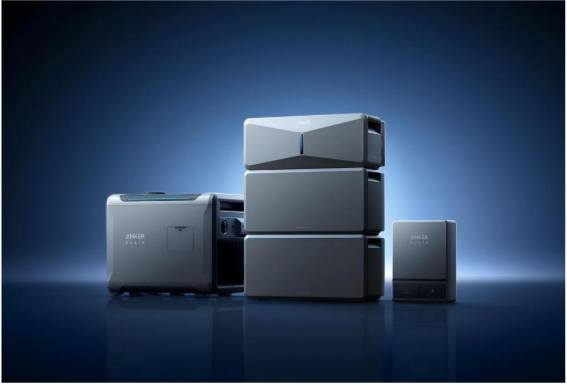
A battery backup shifts the way households think about energy. Instead of simply drawing electricity from the grid whenever devices run, homeowners begin managing when they use power, how they store it, and which loads matter most. This shift is not restrictive—it gives homeowners more control, more savings potential, and more confidence during outages. A system like Anker SOLIX E10 brings scalable storage, high surge capability, and whole-home protection, making energy planning practical and intuitive. When a home has reliable storage, choices around HVAC timing, solar use, generator integration, and peak-load management become easier to organize. These changes allow a battery backup for home to become an active part of daily living rather than only an emergency solution.
How a Battery Backup Reshapes Everyday Power Use?
Stored Energy Becomes a Strategic Asset
When homeowners add a battery backup, stored energy becomes something they can intentionally allocate throughout the day. Instead of relying entirely on grid electricity, they can choose to store lower-cost energy and use it later when demand rises. This creates a new rhythm in daily energy planning. For example, charging the battery during daylight through solar or during off-peak utility hours reduces reliance on expensive evening electricity. With E10’s ability to integrate with up to 27kW of solar when three units are combined, a large portion of daily consumption can shift to renewable input. Homeowners also gain flexibility to run high-demand appliances—such as central A/C or cooking equipment—knowing the system can deliver strong surge power and smooth operation. Because the energy reserve is predictable, people begin planning their household routines with more precision and fewer worries about grid fluctuations.
Peak-Load Management Becomes Far Easier
Before installing a battery backup, many homeowners rarely consider how multiple appliances running at once affect demand. But when a backup system enters the home, awareness of load patterns increases naturally. Appliances like ovens, dryers, and HVAC compressors pull significant power at startup. The E10 solves this by offering up to 37kW surge power per unit, enabling even a 5-ton central air conditioner to start reliably. This level of capability reduces the need for active load-shifting, but energy planning still improves because homeowners understand how simultaneous demands influence stored energy drain. With one E10 delivering 10kW turbo output for up to 90 minutes and 7.6kW continuous output, families can better schedule laundry, cooking, or HVAC cycles without overloading circuits. The system’s strong output also eliminates the “critical loads only” limitation common in smaller systems. As a result, energy planning becomes more confident and less restrictive.
Whole-Home Backup Changes Lifestyle Expectations
Many battery systems restrict users to a handful of selected circuits, but E10 powers the entire panel with its 200A Power Dock. This changes daily planning significantly because homeowners no longer need to choose which rooms stay active during outages. Every outlet continues working as usual, so the household’s daily rhythm stays intact. People can keep using their preferred devices, lighting patterns, and climate settings without reconfiguring their routines. Daily planning becomes more about optimizing comfort and less about making trade-offs. Knowing that seamless switchover occurs in under 20ms also removes anxiety around sensitive electronics and work equipment. This stability encourages homeowners to adopt smarter planning habits—like pre-cooling spaces before peak hours or running appliances when solar production is high. With whole-home capability as the baseline, daily energy planning shifts from reactive to strategic.
How Hybrid Inputs and System Design Strengthen Daily Planning?
Solar Production Influences When Homes Use Power
Once a battery backup is paired with solar, daily energy planning becomes more dynamic. Energy use patterns begin reflecting sunlight availability. During strong solar hours, homes can charge the battery, run major appliances, and reserve grid energy for later. The E10’s dual-MPPT design enables up to 9kW solar input per unit and 27kW total in a three-unit system. This means households can generate enough power during the day to cover cooling, cooking, cleaning, and still refill the battery for evening use. People naturally start aligning energy-intensive activities—like dishwashing or electric vehicle charging—with peak solar windows. They also gain the ability to coast through cloudy days because the battery smooths fluctuations. Instead of relying solely on the grid, energy becomes a balanced blend of solar, storage, and optional generator support.
Generator Integration Provides Planning Security
Even with solar and large storage, homeowners appreciate having a plan for long outages caused by storms or grid failures. Generator integration becomes part of daily planning—not because it runs every day, but because it guarantees the backup never reaches zero. The E10 works with the Anker Smart Generator to recharge the battery as needed, and it also supports existing 120V/240V AC generators up to 9.6kW bypass. This hybrid flexibility lets homeowners design a layered energy strategy. They may rely mostly on solar and storage during normal weeks, then activate the generator during rare but extended blackouts. Daily planning becomes more resilient because homeowners know exactly how to extend power indefinitely if needed. Tri-fuel generator support further strengthens planning by ensuring fuel accessibility in emergencies.
Environmental Resilience Influences Installation and Use
A key part of daily energy planning is where the backup system will live and how well it handles local weather conditions. E10 is engineered for outdoor installation in almost any climate—heatwaves, snow, coastal humidity, or heavy rain. Homeowners can mount the system on a wall in flood-prone regions or place it on the ground in dry climates. Because the system withstands harsh weather, daily routines do not require constant monitoring or adjustments. Instead, people trust the system to operate autonomously, whether it is maintaining standby power, storing solar energy, or preparing for a possible outage. The ≤20ms switchover speed also protects daily tasks from interruption, preventing data loss or equipment resets. This reliability reduces planning stress and allows homeowners to focus on how they want to use their energy—not whether the backup can handle the environment.
Conclusion
A battery backup does more than provide emergency power. It transforms a household’s entire relationship with energy—how it is used, stored, and prioritized. Homeowners begin treating stored power as a resource to manage intelligently. They coordinate appliance use more efficiently, take advantage of solar production, and rely on whole-home protection to maintain normal routines during outages. The Anker SOLIX E10 enhances this shift by offering scalable storage from 6kWh to 90kWh, powerful surge capability for HVAC systems, strong solar integration, and seamless hybrid generator support. With these capabilities, daily energy planning becomes flexible, resilient, and optimized for modern living, giving families confidence and control no matter how the grid behaves.