
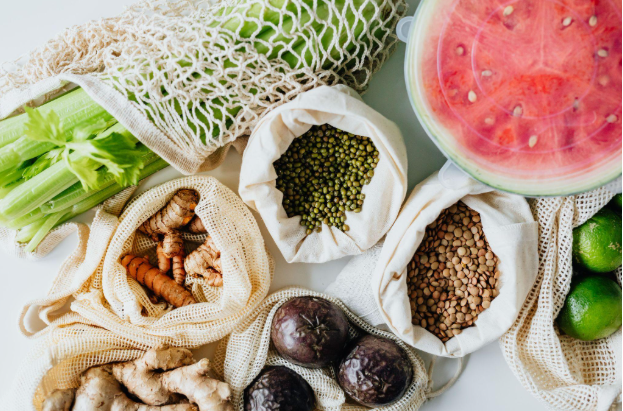
The right food choice is essential to keep the body active and healthy. Protective foods are an important part of a balanced diet, and you can get them from several sources.
From colourful fruits and vegetables to dairy products, pulses, eggs and the best fish to eat in India, you have many options to explore.
Why are Protective Foods Important to Include in a Daily Diet?
Protective foods are a rich source of essential vitamins and minerals, antioxidants and other nutrients. They support healthy growth, the immune system and normal body function. Fruits, vegetables, nuts, seeds and some fish are common examples.
Understanding what are protective foods can help you make better food choices. These foods support your body’s overall nutritional needs and health. Maintaining a balanced diet with protective foods also adds natural color, flavor and variety to your daily meals.
What are the Different Types of Protective Foods?
Green Leafy Vegetables
Green leafy vegetables, including spinach, fenugreek and amaranth, are rich in vitamins and minerals, fiber and antioxidants. They also support digestion and meet daily nutritional needs. Add them to curries, soups, salad or dals.
Fruits
Fruits are a good source of vitamins and minerals, fiber and natural antioxidants. Apples, oranges, bananas, guavas and papayas are a must-include in everyday meals. Eat a variety of seasonal fruits that suit your dietary preferences.
Eggs
Eggs are rich in high-quality protein. They are also rich in nutrients like vitamins B12, D, and choline. Cooked, scrambled, or boiled eggs can easily be a part of your balanced meal.
Milk and Dairy Products
Dairy products, such as milk, yogurt (curd), paneer or cheese, contain protein and calcium. These nutrients help to build strong bones and muscles. Choose the right portion according to your meal needs.
Pulses and Legumes
Pulses and legumes include lentils, chickpeas, kidney beans and green gram. They are a rich source of plant protein, fibre, vitamins and minerals. You can add them to dals, curries, salads and breakfast meals.
What are the Health Benefits of Protective Foods?
The vitamins, minerals, fibre, proteins and antioxidants contained in protective foods provide several health benefits. Here are the benefits explained:
Quicker Healing
Proteins, vitamin C, zinc and iron help the body repair itself. Pulses, eggs, fruits and vegetables are good sources of these nutrients and also support recovery from small injuries.
Build Immunity
Vitamins and antioxidants from fruits and vegetables are beneficial to the immune system. A varied diet can support the body’s natural defence mechanisms.
Improves Skin Health
Vitamins, minerals, antioxidants and healthy fats can help maintain healthy skin. Eat fruits, vegetables, nuts, seeds and dairy products that provide nutrients and keep the skin looking normal.
Maintains Smooth and Regular Digestion
High-fibre foods support good digestion and regular bowel movements. Dietary fiber is obtained from useful sources that include fruits, vegetables, pulses and legumes. Adequate water intake also supports digestion.
Weight Management
Many protective foods offer fibre and nutrients that support weight management, if consumed in suitable portions. Fiber also keeps you full for longer. This helps you maintain a healthy weight and balanced eating habits.
Strong Muscles and Bones
Protein is important for proper maintenance and muscle repair. Calcium, vitamin D, phosphorus and other nutrients help to build healthy bones. Eggs, milk, milk products, pulses and leafy vegetables provide these nutrients as part of a balanced diet.
Conclusion
A healthy diet helps you make balanced choices every day. Protective foods provide valuable nutrients to daily meals and support the body’s requirements. Try different and fresh foods rather than focusing on a single food group.
Moreover, add suitable portions to your diet based on age, activity level, and dietary preferences. Nutrient-rich foods make your everyday meal feel more wholesome. A nutritious plate can be both tasty and enjoyable.