
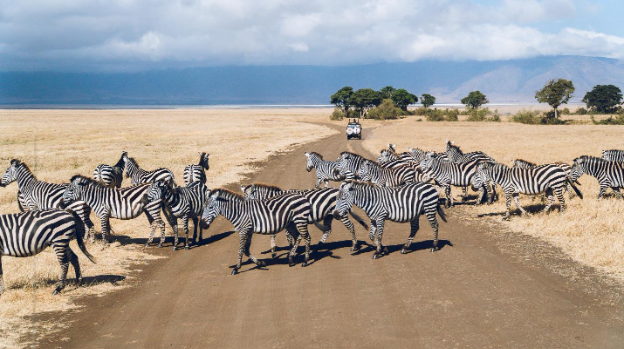
A pride of lions rest under a lone tree. Two vehicles are already positioned at a respectful distance. Instead of squeezing in close, your guide waits. After a few minutes, one vehicle leaves. Only then does yours move gently forward, engine off, voices low.
The moment feels calm. Natural. Undisturbed. A better safari is not always the busiest one. Often, it is the one managed with care.
Well-planned Tanzania Safari Zones protect not only wildlife habitat but also the quality of the visitor experience. Preventing overtourism in wildlife areas is not accidental; it is the result of zoning, guiding ethics, seasonal planning, and responsible traveller behaviour.
1) What Overtourism Means on Safari
Too many vehicles in one place can change the experience for both people and wildlife. In safari terms, overtourism is not simply about high visitor numbers. It is about crowding at a single sighting, repeated disturbance of the same animals, noise levels, and pressure on the fragile track and habitat.
When too many vehicles cluster around one predator, it can disrupt hunting, resting, or parenting behaviour. The viewing experience also became rushed and tense rather than immersive. Balanced tourism ensures wildlife remains undisturbed and the Serengeti safari experience remains authentic.
2) Why Safari Zones Matter
Dividing the landscape thoughtfully helps protect both the land and the safari experience. Across major Tanzania Destinations such as Serengeti National Park, wildlife areas are divided into zones with a specific management approach. Some areas allow general game drive, others limit vehicle access, and some prioritise conservation research or low-impact tourism.
This form of Tanzania safari zones management spread visitor activity across a wide landscape rather than concentrating pressure in one hotspot.
Zoning also helps manage lodge placement, vehicle routes, and conservation priorities. The result is a more sustainable safari Tanzania model, one that protect ecosystem while still welcoming travellers.
3) Managing Vehicle Pressure Around Wildlife Sightings
A powerful sighting loses value when too many vehicles push too close. Park authorities and professional guides often follow informal and formal limit maintaining safe distance, rotate vehicle position, and minimise time spent crowding sensitive sighting.
Special care is required around lions with cubs, cheetah hunts, nesting birds, and river crossings. A Responsible Tanzania Safari respect these moments.
A well-managed Serengeti safari experience feels calm because guides understand when to approach and when to wait.
4) Protecting Habitats Through Route Control
Good safari management is not just about animals. It is also about roads, grass, soil, and water. Staying on the approved track reduces soil erosion and protects vegetation. Limiting off-road driving in fragile zones prevents long-term habitat damage.
Dust control, seasonal road closure, and route adjustments based on Tanzania Weather all play a role. Healthy grassland and stable soils support grazing species, which in turn sustain predators. Habitat care directly influences long-term wildlife viewing quality and contributes to a true Tanzania wildlife conservation safari approach.
5) Seasonal Movement Helps Spread Visitor Pressure
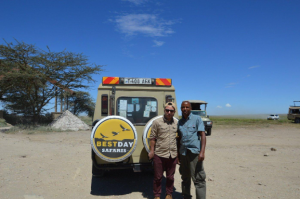
Wildlife movement changes through the year, and tourism planning often follows that rhythm.
Different seasons shift animal concentration and visitor flow. Dry months often focus attention near water sources, while the green season spreads wildlife across broad areas.
Thoughtful planning encourages travel across multiple months and regions rather than funnelling all visitors into one period. Reviewing the Best Time to Visit Tanzania help travelers align expectations while supporting a balanced tourism pattern.
Seasonal awareness is one of the most effective tools for preventing overtourism in Tanzania safari areas.
6) The Role of Guides and Operators in Preventing Overtourism
Conservation-minded safari experiences often depend on the choice made behind the wheel. Professional Tanzania Travel Guides manage spacing between vehicles, read animal stress signals, and prioritise ethical positioning over dramatic proximity.
Responsible operators design routes that avoid repetitive pressure on specific sightings. They communicate with other vehicles to rotate access fairly. When handled well, a Tanzania Safari can feel exclusive and respectful, not because it is empty, but because it is well-managed.
7) Why Guests Also Play a Part
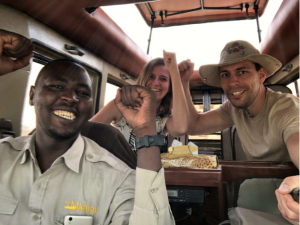
Travellers influence the safari atmosphere more than they realise. Guests can help prevent overtourism by:
- Avoiding pressure on guides to get close
- Keeping voices low at sighting
- Being patient when waiting for their turn
- Respecting viewing distance rules
- Following basic Tanzania Travel Safety guidelines
These small habits reduce stress on wildlife and maintain calm viewing conditions for everyone.
8) Conservation, Visitor Experience, and the Future of Safari Travel
Good management protects more than wildlife; it protects the feelings people came for. Effective zoning improves the guest experience by reducing congestion and protecting natural behaviour.
Well-managed Tanzania Safari Zones support long-term conservation funding, maintain ecological balance, and preserve the quality of the destination for future travellers.
Responsible planning also strengthens related sectors such as Tanzania Cultural Tourism, local employment, and community partnerships. When safari areas are thoughtfully managed, tourism becomes part of the protection strategy, not a threat to it.
CONCLUSION
Tanzania Safari Zones are more than administrative boundaries on a map. They are practical tools designed to spread visitor pressure, protect habitat, and maintain respectful wildlife viewing.
Preventing overtourism in Tanzania safari areas ensures that animals behave naturally, landscapes remain intact, and travellers experience calm, more meaningful encounters.
In the long run, careful management keep safari landscape healthier and keeps the experience worth travelling for.


