

How to Set Realistic Fitness Goals and Track Them?
Clear direction makes fitness feel less overwhelming and more empowering, especially for people balancing work, family, and personal time. Many individuals struggle not because they lack effort, but because their goals are vague, shifting, or influenced by comparison. When goals become realistic and personal, progress feels more visible, and small wins start to accumulate in a way that builds confidence instead of pressure. Understanding how to set goals that fit your lifestyle can turn fitness from a temporary push into a lasting habit. In this article, you will learn how to create meaningful goals and track them in ways that support steady and satisfying improvement.
Start with Your “Why”: Finding Your True Motivation
Defining What Fitness Success Means to You
Success in fitness looks different for everyone, and taking time to define it helps prevent frustration and burnout. Some people want more energy during the day, while others want to feel stronger, sleep better, or simply enjoy moving again. When you shape your goals around what matters to you personally, you become more patient with yourself and more committed to the process. This clarity becomes especially valuable on days when motivation feels low or life feels complicated. By knowing exactly what success means to you, you create an internal compass that gently guides you forward.
Connecting Goals to Your Lifestyle and Values
Goals become sustainable when they fit naturally into your daily rhythm rather than disrupting it. If you value family time, your workouts might be shorter but more consistent, protecting what matters while still progressing. When your goals support your health, confidence, or emotional balance, they begin to feel like an extension of who you are rather than another obligation. This alignment helps you avoid extremes, guilt, or the urge to give up after small setbacks. By choosing goals that reflect your values, you build a fitness journey that feels like a supportive part of life instead of a burden.
The SMART Framework for Goal Setting
Making Your Goals Specific and Measurable
Specific goals give you something clear to move toward, replacing vague intentions with concrete direction. Instead of saying you want to “get fit,” you might decide you want to walk for thirty minutes four times a week. Measurable goals allow you to see and celebrate progress, which keeps motivation from fading. Tracking numbers, durations, or repetitions turns improvement into something visible and reassuring. With this level of clarity, every small step feels like meaningful progress rather than guesswork.
Ensuring Goals are Achievable and Relevant
Achievable goals protect you from discouragement and help you build confidence gradually. When a goal feels within reach, you are more likely to stay consistent and enjoy the process. Relevance keeps you connected to why the goal matters, reinforcing that your effort is worthwhile and personally meaningful. Goals chosen for your needs—not comparison or pressure—lead to more satisfaction and less stress. By combining achievability and relevance, you create a path toward growth that feels supportive instead of overwhelming.
Setting a Realistic Timeframe for Success
A reasonable timeline prevents the impatience that often derails progress, especially when results feel slow. Giving yourself enough time allows your body and habits to adjust in a healthy way. A timeline also creates structure, helping you plan your efforts and recognize milestones along the way. When you stop expecting instant results, you become more present and more appreciative of steady improvement. With a realistic timeframe, your journey becomes calmer, more enjoyable, and more resilient.
Choosing the Right Tracking Methods for You
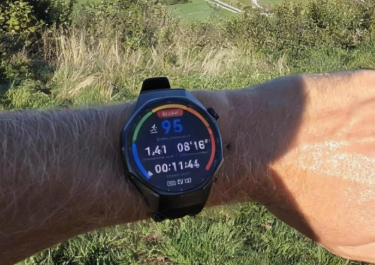
Tracking can be simple and gentle, focusing on awareness rather than pressure or perfection. Many people start with easy indicators like energy levels, mood changes, or how well their clothes fit before moving into more detailed measurements. A common curiosity is understanding how movement affects overall energy expenditure, especially when thinking about running and calories burned. This curiosity often leads people to use digital tools—for instance, a Huawei Watch can provide these insights conveniently, offering heart rate monitoring, training data, and post-workout analysis to deepen your awareness. The goal is to support your journey, not judge it, and to help you recognize real progress even when it feels subtle.
Building a Flexible Action Plan
Breaking Down Big Goals into Small Steps
Small steps make big goals feel possible, especially when life gets busy or unpredictable. Instead of aiming for a major transformation at once, breaking the process into manageable pieces keeps effort consistent and stress low. Each small achievement provides a boost of confidence that carries you forward to the next step. This approach also allows you to adapt your pace without abandoning your direction. With steady, realistic progression, your long-term goal becomes a natural outcome of daily habits.
Scheduling Check-ins and Allowing for Adjustments
Regular check-ins help you understand what is working and what needs gentle modification. These moments allow you to notice patterns, challenges, and improvements that may not be obvious day to day. Adjustments are not signs of failure but signs of awareness and adaptability. Flexibility ensures that your fitness journey remains compatible with changing schedules, energy levels, and responsibilities. By honoring your real-life circumstances, you protect your consistency and keep moving forward.
Staying Motivated Through the Journey
Motivation grows stronger when you celebrate progress rather than waiting for a final result. Many people find encouragement by noticing how their mood improves, how their body feels lighter, or how daily tasks become easier. Supportive routines, enjoyable activities, and compassionate self-talk help sustain momentum during more challenging moments. Remember that motivation naturally rises and falls, and what keeps you going is the gentle habit of showing up even when enthusiasm wavers. When you recognize that every effort counts, the journey becomes more enjoyable and more personally rewarding.
Conclusion
Sustainable fitness is built on patience, clarity, and an understanding of what truly supports your well-being. When goals reflect your values and daily life, progress feels natural instead of forced, and habits become easier to maintain. With thoughtful tracking, flexible planning, and compassionate motivation, you create a journey that grows with you rather than competing against you. Your success comes not from perfection, but from steady, meaningful steps taken at a pace that feels right. By approaching fitness in this supportive way, you build a foundation that can carry you confidently into long-term health and strength.