
Your property’s structural integrity is like its backbone. It is the quiet, strong frame that keeps everything stable, secure, and safe for everyone inside. When this backbone starts to weaken, you may see zigzag cracks in the foundation, sloping floors, or doors that suddenly won’t close properly.
If these problems keep coming back, your property may need structural restoration to fix serious issues that surface-level repairs cannot solve. Catching these warning signs early can be the difference between a manageable repair job and a major failure that affects the whole building.
Keeping a building in good shape means paying close attention and knowing how different materials age. For example, when the outside of a building starts to show heavy wear, specialized restoration masonry is often needed to strengthen the exterior and stop water from reaching the main structural parts inside. By dealing with these problems quickly, property owners can protect their investment and help the structure stay strong for many years.
What Is Structural Restoration and Why Does It Matter for Your Property?
Definition of Structural Restoration
Structural restoration goes far beyond a simple repair. A normal repair might mean patching a hole or fixing a leak. Restoration is a full approach that brings a building’s load-bearing systems back to their original strength or better. It includes checking the foundation, beams, joists, and masonry to confirm they can keep holding the building’s weight and handle wind, water, and other outside forces.
The goal is to find the real cause of the problem-whether it is age, weather damage, or poor original construction-and then install long-lasting fixes that stabilize the structure.
This work usually needs both structural engineers and contractors who know how different building materials behave. Whether the job is strengthening an old timber frame or doing detailed concrete work in a modern building, restoration focuses on the main structure of the property. It makes sure every part, from the subfloor to the roof trusses, works together to keep the building safe.
Why Properties Develop Structural Problems
Buildings are constantly affected by their surroundings. Soil movement is one of the biggest causes of trouble. As the ground under a foundation swells and shrinks with changing moisture, the building can settle unevenly. Poor drainage makes this worse by creating hydrostatic pressure, which is the heavy push of water-soaked soil against basement or foundation walls. Over time, this pressure can make even strong concrete bow or crack.
Age and normal wear also matter a lot. In older or historic homes, wood can rot or be damaged by pests like termites that quietly eat away at key support beams. In commercial buildings, water that gets into concrete can corrode the steel reinforcement (rebar) inside. As the metal rusts, it expands and causes the concrete around it to crack and break off, a process called spalling. Without repairs, these natural breakdowns will eventually reduce the building’s ability to carry weight safely.
Dangers of Ignoring Structural Damage
Overlooking early signs of structural trouble is a serious risk. A small diagonal crack near a window can grow into a major safety issue for people inside and outside the building. Besides the danger of partial or full collapse, leaving damage untreated often leads to repair bills that grow quickly over time. Planning a restoration early usually costs far less than paying for emergency work after a structural failure.
Ongoing structural problems can also lower property value and cause legal or insurance complications. If a building no longer meets local safety codes, owners may face fines or find it hard to sell or renovate. The condition of the structure is closely tied to both its market value and how well it can be used. Once the main structure is weakened, every other part of the building is at risk.
What Are the Most Common Signs Your Property May Need Structural Restoration?
Cracks in Walls, Ceilings, and Foundations
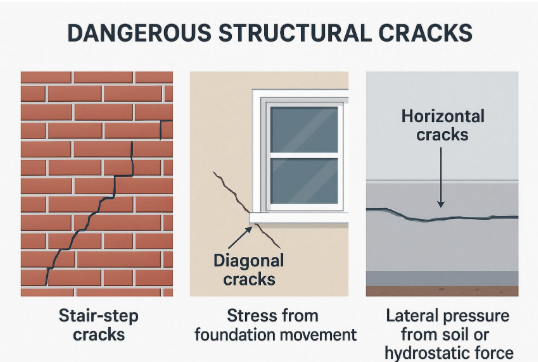
Cracks can tell very different stories. Tiny hairline cracks (about 1/16 inch or less) often come from normal settling or changes in temperature. Other types point to bigger problems. Stair-step cracks that follow the mortar lines in brick or block walls are a common sign of foundation movement. Long diagonal cracks running from the corners of doors or windows can also show that the building is shifting unevenly.
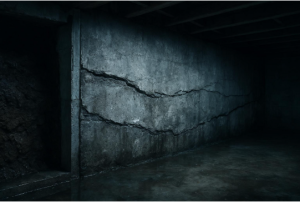
Pay close attention to horizontal cracks in foundations or basement walls. These usually mean outside soil and water pressure is pushing the wall inward. If a crack is wider than 1/8 inch, keeps getting larger, or the two sides of the crack no longer line up, it has moved beyond a minor cosmetic flaw and needs a professional to check it right away.
Sagging or Uneven Floors
If a marble always rolls to the same side of a room, or your floor feels soft or “bouncy” when you walk, the support underneath may be failing. Sagging floors often come from rotted floor joists, damaged beams, or a foundation that has settled too much. In older homes, long-term moisture in a crawl space can lead to wood rot and weaken key supports.
Uneven floors are usually not just a cosmetic issue. They are a sign that the structure is off balance. When joists or beams lose their strength, the floor starts to dip. This can cause cracks and movement in interior walls and ceilings as the whole frame of the building shifts into a new, unstable position.
Sticking or Misaligned Doors and Windows
When the foundation moves, it affects the entire frame of the building. This often shows up as doors and windows going out of square. A door that once opened easily may now rub or stick at the top or bottom. A window that used to glide smoothly may now need a lot of force. While some sticking may come from humidity and wood swelling, ongoing problems with several doors and windows usually mean the structure is moving.
Watch for visible gaps between the door or window and its frame, or cracks starting at the corners of these openings. If doors start swinging open or closed on their own, it can mean the wall, and the foundation under it, are no longer level.
Bowing, Bulging, or Leaning Walls
Walls are meant to be straight up and down so they can carry weight directly to the foundation. If a wall looks like it is bulging inward or leaning, the structure is under serious stress. Even a 1/4-inch bend can point to a growing problem. Bowing often shows up in basement walls where outside soil pressure has become too strong for the masonry.
On the outside of a building, leaning walls can come from soil washing away, weak support, or failure where the wall connects to the roof or floor systems. These problems do not fix themselves and usually get worse during heavy rain, strong winds, or under extra weight such as heavy snow.
Visible Deterioration of Concrete, Brick, or Stone
Concrete and masonry are strong, but they still wear out. Concrete spalling-where the surface flakes, chips, or breaks off-is a serious warning sign, especially in parking structures or walkways. This often happens when water gets into the concrete and rusts the rebar inside. As the metal expands, it cracks and breaks up the concrete. If you can see rebar or rust stains on the surface, the strength of that piece of concrete is already reduced.
In brick or stone walls, watch for cracked, sunken, or stained units. Bricks that seem to be sinking into the wall or mortar that is crumbling and falling out show that the wall is no longer shedding water properly or carrying its weight well. This is common in older masonry where time, pollution, or past repairs have upset the original balance of the wall.
Rust or Corrosion on Structural Components
Rust is a serious threat to steel used in structures. When iron meets oxygen and water, it rusts and slowly loses strength. Rust spots, flaking, or scaling on beams, columns, or bolts are signs that the metal is weakening. In humid or coastal areas, this process can speed up quickly.
Finding corrosion early is very important. Once a steel beam or column starts to bend or thin from rust, it may need extra support or full replacement. Good restoration work often includes cleaning the steel and adding protective coatings to slow or stop further rust.
Water Damage, Dampness, and Mold Growth
Water is one of the biggest threats to a building’s life span. Ongoing water stains on ceilings, damp basement walls, or a musty smell all suggest moisture is getting into the structure. Water damage does more than ruin finishes; it rots wood beams, breaks down concrete, and weakens masonry joints. Mold is often a follow-up sign that materials have stayed wet for a long time.
Efflorescence-a white, powdery film on brick or concrete-also points to water problems. It forms when water travels through masonry, dissolves salts, and leaves them behind as it dries. The powder itself is not harmful, but it shows that water is moving through your walls, which can lead to hidden decay and loss of strength inside.
Separation or Gaps at Joints and Exterior Features
A building that is shifting may start to pull apart in visible ways. Look for gaps where walls meet ceilings, or where a chimney, porch, or addition is moving away from the main structure. These separations are often early signs of foundation settling or soil problems. Besides the structural concern, these openings give pests and moisture an easy path into the building, speeding up damage.
Recurring Structural Repairs or Modifications
If you keep fixing the same crack or rehanging the same door, you are probably only masking the real issue. Repeated small repairs are a strong hint that the property needs a bigger, organized restoration plan. In many buildings, past owners or contractors may have taken shortcuts that are now failing. A full restoration looks past the surface, stabilizes the real cause of the problem, and helps make repairs last.
When Should You Call a Structural Professional?
Early Warning Signs That Require Immediate Attention
Some changes in a building happen slowly, but certain signs mean you should call a professional right away. If a crack suddenly grows larger, a wall moves noticeably in a short time, or you hear loud popping or creaking from the frame, reach out to a structural engineer or specialist contractor as soon as possible. These active signs show that the structure is under heavy stress and could be heading toward failure.
Risks of Delaying Structural Assessment
Putting off an inspection gives moisture more time to spread and allows stresses in the structure to build up. A problem that might have been fixed with basic reinforcement early in the year can turn into a full foundation replacement by the end of it. Safety is also at stake. Structural parts do not always fail slowly; a weakened wall or beam can suddenly give way during a storm or even a minor quake.
Benefits of Professional Structural Inspections
A professional inspection offers more than a list of issues; it gives you a clear plan. Structural engineers and experienced contractors, such as the team at Nova Construction Services, use tools such as moisture meters, laser levels, and small inspection cameras to see inside walls and floors.
They can measure how much floors are sagging and check how well existing beams still carry weight. This information helps owners plan budgets, choose which repairs to do first, and spend money where it has the greatest impact on the building’s long-term stability.
What Steps Should You Take If You Notice Structural Issues?
Documenting and Monitoring Changes
If you think your property is moving or settling, start by recording what you see. Take clear, close-up photos of cracks, gaps, and bowed walls. You can mark the ends of a crack with a pencil and write the date next to it to see if it grows. Keep notes on when doors begin to stick or when new water stains show up. This record is very helpful for engineers and contractors because it shows how fast the problem is developing.
Choosing Qualified Structural Restoration Contractors
Many contractors do general work, but fewer have strong experience with structural repairs. Choose a company that focuses on restoration and has proven experience with the materials in your building, such as historic masonry, steel frames, or reinforced concrete.
Look for licensed, insured contractors who can show examples and references for similar work. Good contractors often coordinate with structural engineers to make sure the repair plan follows safety rules and engineering standards.
Working with Professionals for Repairs and Restoration
Once you have a plan for repairs, steady communication is very helpful. Structural restoration can be disruptive and may involve temporary support posts, shoring, or hydraulic jacks to level parts of the structure. Professionals should explain each step, including how they will stabilize the building and reduce the chance of future issues.
Methods might include foundation underpinning to reach stronger soil, or carbon fiber strips to help straighten and reinforce bowing walls. By relying on experienced specialists, you help your property move from a risky state back to one that is safe and sound.
Besides the direct repairs, a strong restoration plan often includes prevention so the same issues do not return. This can mean upgrading drainage to route water away from the foundation or adding modern waterproof coatings to masonry exteriors. These updates can also improve energy performance and accessibility, adding modern benefits to a repaired structure.
For property owners, the peace of mind that comes from a stable, secure building may be the biggest return, knowing the structure is ready to stand up to weather and time for many years ahead.