
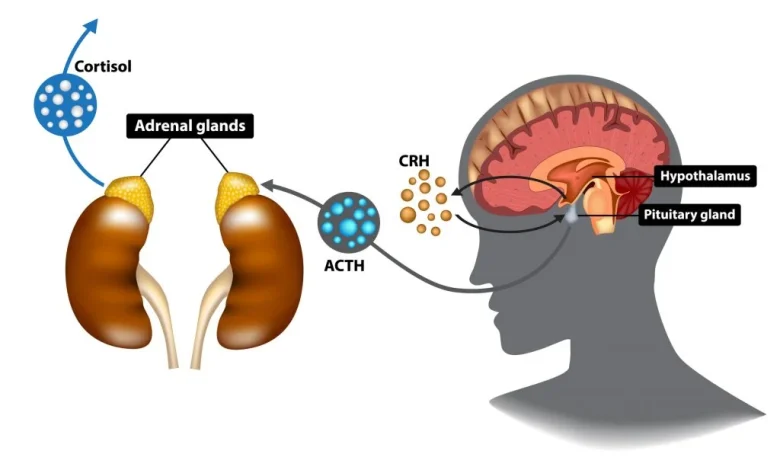
ACTH is an important element to maintain the stress in the body. It acts as a messenger in the body that transfers the sign of stress to the brain. Thus, it is very important for the body to tell you about the stress. If you are looking for acth full form and its other details, then you are at the right place. In this article, we will discuss everything you need to know about acth.
What Is ACTH?
ACTH stands for Adrenocorticotropic Hormone. It is a hormone secreted by the pituitary gland, a tiny gland in the base of your brain. Though small, the gland plays a major role in the manner in which your body works. ACTH’s principal role is to tell the adrenal glands, which sit on top of your kidneys, to release cortisol, your own stress hormone.
Cortisol helps your body to react to stress, control blood sugar, reduce inflammation, and assist with metabolism. So, when ACTH increases or decreases, it will affect a lot of things in your health.
How ACTH Works in the Body?
Think of ACTH as a messenger. When your body perceives stress—physical (like illness or injury) or emotional (like worry)—your brain tells the pituitary gland to release ACTH. Your body secretes this hormone through your bloodstream to the adrenal glands and tells them to release cortisol.
When cortisol is released, it helps your body adjust to the stress. After the situation is brought under control, the levels of ACTH come down and normalcy is established. But when this balance is broken, it can lead to health problems.
What is the Link Between ACTH and Stress?
Stress is a normal aspect of life. With prolonged or uncontrolled stress, however, an occurrence of something called chronic stress ensues, resulting in heightened levels of ACTH and cortisol over an extended period. It makes you feel tired, anxious, or even gain weight and have difficulty sleeping.
Low levels of ACTH, nonetheless, will lead to fatigue, low blood pressure, and a poor response to stress. This might happen when the pituitary gland is not well or when the adrenal glands are injured.
Why is ACTH Important for Good Health?
Keeping ACTH under control is vital for good health. Below is how it keeps all aspects of your health in line:
- Mental health: Properly balanced ACTH and cortisol can help manage stress, preventing depression or anxiety.
- Energy levels: ACTH controls metabolism, making you more lively and less tired.
- Immunity: Cortisol is anti-inflammatory, indirectly helping your immune system through ACTH.
- Weight control: Imbalanced hormone levels could induce cravings, belly fat, or weight loss.
What are Symptoms of Imbalanced ACTH?
If your ACTH levels are not in balance, you might be experiencing some of the following symptoms:
- Infinite fatigue
- Unexplained weight gain or loss
- Anxiety or mood swings
- Difficulty in sleeping
- Low blood pressure or dizziness
- Skin changes like dark spots
These may be caused by many things, so it’s best to visit a doctor if you feel something’s wrong.
What are Natural Aids to Supplement ACTH Balance?
Although medical advice is always required, there are certain natural things you can do to assist hormone balance:
- Practice meditation and mindfulness to reduce stress
- Sleep well every night
- Eat a balanced diet consisting of whole foods and healthy fats
- Exercise every day, but don’t overtrain
- Avoid stimulating products like excess caffeine
There are some herbal plants like Ashwagandha and Licorice root that are known in ancient systems to be good for adrenal function, but it’s best to consult a professional before using them.
You may not think of ACTH daily, but it does play a significant role in the way your body responds to stress and stays in balance. By knowing this powerful hormone, you can better care for your mind and body.


