
Ever waited too long for your oven to preheat or end up with a dish that is burnt on the outside and raw in the middle? Argh, well, then you know how frustrating cooking can be with the wrong oven!
Every cook needs a good oven in their kitchen ‘cause it makes cooking simpler, meals better, and your time in the kitchen more enjoyable. But were ovens always this easy to use? The journey from open fires to today’s smart ovens has been long. Knowing how ovens have changed over time can help you make better choices when looking to buy one.
Let us take a look at where ovens began, how they improved, and what they can offer the chef in you today.
The Evolution of the Oven
Remember how your school textbooks told you that our ancestors did their cooking over fire? They dug pits in the ground, placed wood inside, lit it, and used the heat to cook. Many years later, clay ovens were built in places like Egypt and the Middle East. These dome-shaped ovens could trap heat better and were used mostly for bread.
While this was definitely an upgrade, the downside: no controls, no timers, and definitely no safety features. You had to rely on your instinct and experience. It worked, but it was tiring and often unpredictable.
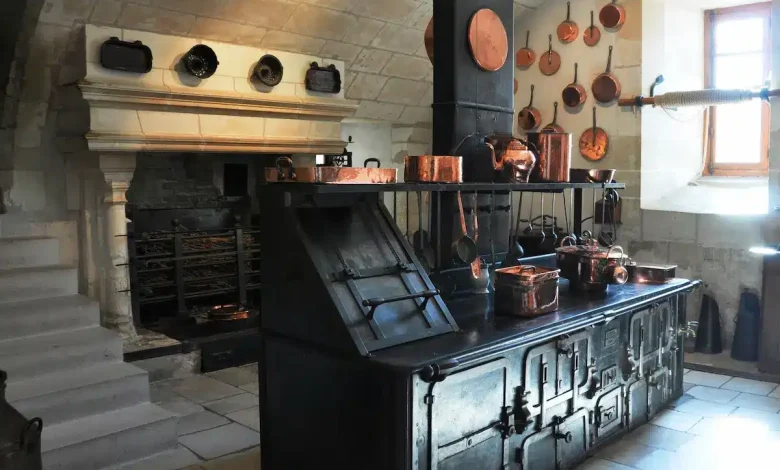
In Europe, around the Middle Ages, brick ovens became more common. These were built into kitchen walls and kept the heat for a long time. Families baked several items at once to make use of the heat (energy-efficient, much?).
By the 18th century, cast iron ovens started appearing. These were used on top of wood or coal stoves. It was a big change because it allowed cooking inside the home with more control over heat.
But the ovens were large, hard to clean, and not very efficient. People had to adjust cooking by moving food around and guessing temperatures.
Towards the late 1800s, gas ovens were introduced. They allowed better control over heat and were easier to start and stop. For the first time, you could cook meals without building a fire.
Shortly after that, electric ovens came into homes. These were cleaner, safer, and easier to install when gas lines were not available.
These ovens gave people more control and helped improve cooking results. But they still had drawbacks. Some ovens heated unevenly, doors got very hot, and energy use was high.
The Rise of Modern-Day Ovens
If you have ever used an oven, you would know how they make cooking easier and more reliable. You no longer have to guess cooking times or worry about burnt edges, phew!
Convection ovens have fans inside that move heat around. This means your food cooks more evenly. Steam ovens help keep food moist, which is great for meat, fish, or bread. Some ovens now come with digital displays, pre-set cooking modes, and mobile app control.
You can even start preheating your oven from your phone while you are still at the store. That is how far ovens have come.
More than just technology, today’s ovens are designed to solve daily kitchen problems. They cook faster, save energy, and are easier to clean.
4 Advantages of Using an Oven
If you are wondering whether upgrading your oven is worth it, here are five real-life benefits that make a difference in everyday cooking.
-
Even Cooking
Isn’t it frustrating when you are cooking and find that some parts of your dish have burned while others remain undercooked? If only you had a dollar for such instances every time! With modern ovens, especially those with convection settings, you can relax, because the heat distribution is even throughout the space.
The result? Roasts come out golden on the outside and juicy inside. Cakes rise evenly. Pizzas cook with crisp crusts and melted cheese from edge to edge. You do not have to keep opening the oven or turning dishes halfway through again and again.
-
Time-Saving
Modern ovens heat up much faster than older models. Some even offer rapid preheat options, so you can start cooking in minutes. You will also find ovens with timers and cooking presets so you can set the time and walk away, do your thing, without worrying about what’s happening inside it.
If you are someone who juggles work, kids, or multiple tasks at once, this saves a lot of time and effort. Your oven should ideally be one less thing to stress about, right?
-
Healthier Meals
Using an oven means you can cook with less oil and still get flavourful results. Roasting, baking, and steaming lock in nutrients and reduce the need for deep frying or heavy sauces.
For example, air fry modes in some ovens let you enjoy crispy foods like chips or cutlets with very little oil. If you are trying to eat better without giving up taste, your oven can support that goal.
-
Easier Cleaning and Better Safety
Many ovens now come with features that make cleaning simple. Some have self-cleaning cycles that burn off spills, while others have smooth interiors that wipe clean easily.
Modern ovens are also safer. They often include child locks, cool-touch doors, and auto shut-off settings. This means fewer accidents in the kitchen and peace of mind for families with children.
Conclusion
Ovens have come a long way, from basic fire pits to smart machines that do much more than just heat food. Each change in design was meant to make your cooking easier, meals better, and time in the kitchen more efficient. Today, you have more options than ever. Whether it is even cooking, faster prep, better flavours, or easier clean-up, a modern oven can solve many of the problems people face in the kitchen every day. If your current oven is slow, uneven, or hard to use, it might be time for a change. Take a look at what is available today and choose an oven that fits your routine and cooking style.


